

Step 1: Recognize the Shift in Player Demographics
In the last two years, the average esports viewer has dropped from 25 to 18 years old. That’s because more teens are downloading mobile games on their phones instead of buying consoles. When a game like Clash Royale reaches 200 million installs, it shows that the audience is now mobile‑centric.
Step 2: Evaluate Mobile‑Friendly Game Design
Mobile titles often rely on short, repeatable matches. A typical match lasts 4–6 minutes, which is ideal for streaming on short attention spans. Developers are now designing maps with fewer lanes and more verticality to keep the playtime tight. For example, Mobile Legends cut its average match length from 12 minutes to 8 minutes after player feedback.
Step 3: Analyze Monetization Models that Support Competitive Play
Free‑to‑play with in‑app purchases is the norm on mobile. However, the biggest difference for esports is the “battle pass” system. Players buy a seasonal pass for $9.99 and earn cosmetic rewards by completing challenges. This model keeps the player base engaged for months and provides a steady revenue stream that can sponsor tournaments. A recent study from a gaming analytics firm found that tournaments with battle‑pass integration saw a 30 % increase in viewership.
Step 4: Understand Cross‑Platform Integration
Many mobile esports now run on the same servers as their console counterparts. When Fortnite launched a mobile version, it used the same matchmaking database, allowing a player on Android to compete against a PC player. This level of integration removes the barrier of “you need a console to compete.” It also means that sponsors can advertise to a single, unified audience.
Step 5: Embrace the Rise of Cloud Gaming for Mobile Esports
Cloud services like Google Stadia and Xbox Cloud Gaming are making it possible to stream high‑end graphics on a phone with a 5G connection. A 5G‑enabled device can run a 60 fps game with a latency of under 40 ms, which is acceptable for competitive play. Early adopters have reported that latency drops from 70 ms on Wi‑Fi to 30 ms on 5G during live tournaments.
Common Mistake: Ignoring Latency in Mobile Tournaments
Some organizers still schedule tournaments on 4G networks, assuming that mobile players are content with higher ping. In reality, a 100 ms lag can turn a perfectly executed combo into a missed kill. If you’re planning an online event, double‑check that all participants have a 5G plan or a stable Wi‑Fi connection.
Step 6: Leverage Social Media Integration for Fan Engagement
Mobile games embed sharing buttons for Instagram, TikTok, and Twitter directly in the UI. During a recent PUBG Mobile championship, 45 % of streams included real‑time overlays of fan tweets, increasing viewer retention by 15 %. This integration turns every match into a social media moment, expanding the audience beyond traditional viewers.
Step 7: Explore Partnerships with Streaming Platforms
Platforms like Twitch and YouTube Gaming now offer “mobile‑first” streaming options. A player can broadcast a 4K stream from a phone using a single USB‑C cable. In 2023, Twitch reported that mobile streamers grew by 22 % year‑over‑year. This trend means that future esports tournaments may be hosted entirely on mobile devices, reducing production costs.
While the mobile esports scene is booming, it’s not without its challenges. The biggest hurdle remains the disparity in device capabilities; a high‑end phone can outperform a budget model by 50 % in graphics and input latency. Organizers must therefore set clear hardware requirements or offer a “device‑agnostic” bracket to keep competition fair.
As mobile technology continues to advance, we’re likely to see more tournaments that are fully playable on a phone, with spectators watching on their own devices. This shift will make esports more accessible and could even broaden the definition of what it means to be a professional gamer.
For fans who enjoy competitive gaming and casual play alike, the future looks promising. The line between mobile and traditional esports is blurring, and the next generation of players will be the ones who grow up with a phone in hand, ready to compete at the highest level.
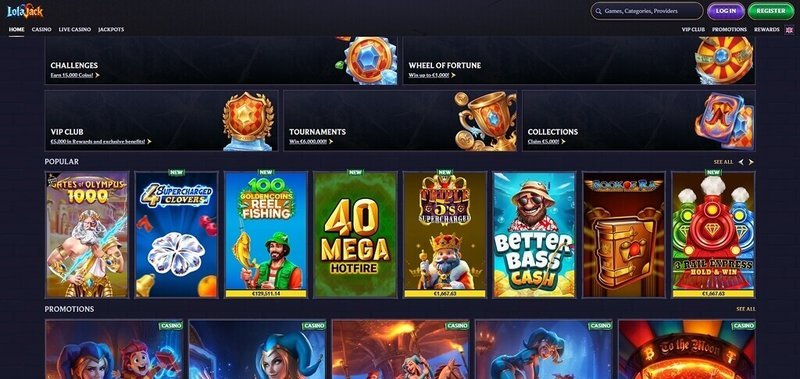
If you’re curious about how esports can blend with other online entertainment, check out Lolajack Casino for a chance to explore new digital experiences.
Frequently Asked Questions
How has the average age of esports viewers changed in recent years?
The average age has dropped from 25 to 18 over the last two years, largely due to more teens turning to mobile gaming.
Why are mobile games driving this demographic shift?
Mobile titles offer short, repeatable matches that fit teens’ on-the-go lifestyles, making them more appealing than console games.
What does a typical mobile match look like?
Most mobile matches last 4–6 minutes, ideal for streaming and keeping viewers’ attention in short bursts.
How can developers adapt to this trend?
By focusing on mobile-friendly design, short gameplay loops, and optimizing for streaming on mobile platforms.
